
01 Set up one API model
Map your invoice flows once and connect through one standardized API model.
api
Use the same API structure, the same data model, and the same integration logic across countries, while DDD handles local invoicing, tax, and reporting complexity in the background.
Loading data…
How to
Map your invoice flows once and connect through one standardized API model.

Use the same core data model and same steps across countries.

Get back the required invoices, documents, or links through the same connected model
Add countries, flows, and end-clients without changing your core integration.
We have abstracted and standartized the input in DDD to the maximum degree. You keep one connection across the countries, while we transform your invoice data into the local formats, required for each market. This way you never deal with local XMLs.
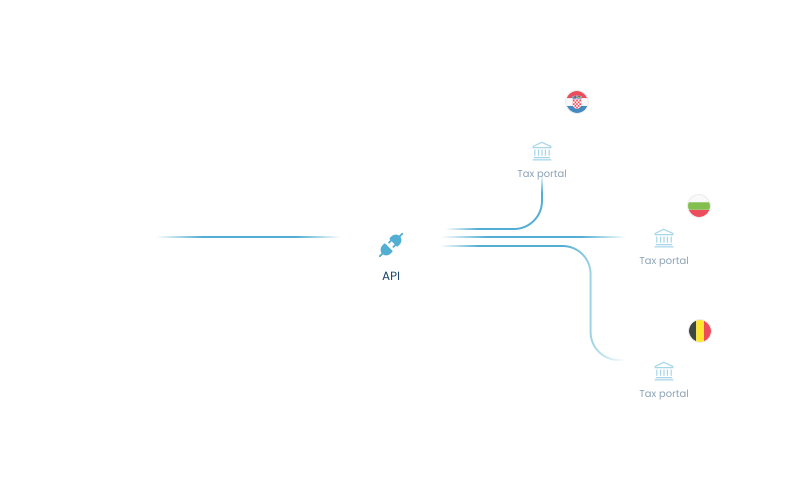
All invoice documents can run through the same API structure, without becoming separate integration projects.
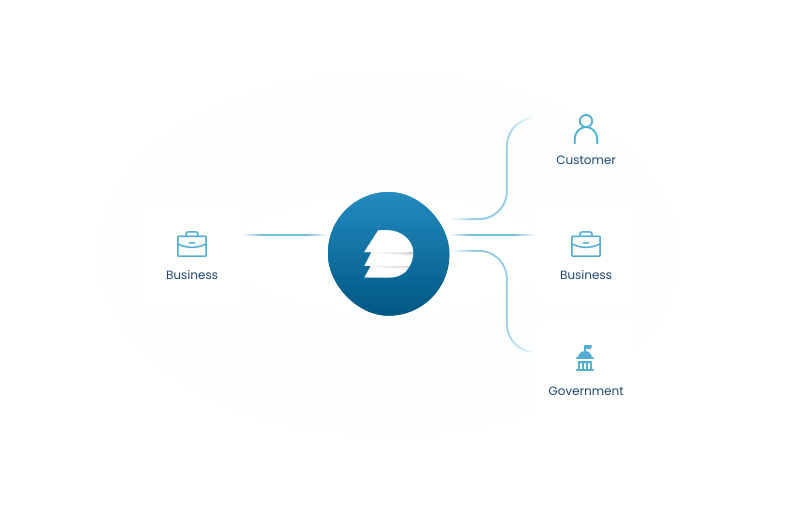
The same unified API can route consumer, business, and government invoice flows through the right local compliance path, without separate integrations for each buyer type.
DDD takes your standardized invoice data and converts it into the required local outputs, from structured e-invoice formats to fiscalization proof data, compliant PDFs, and tax authority submissions where required.
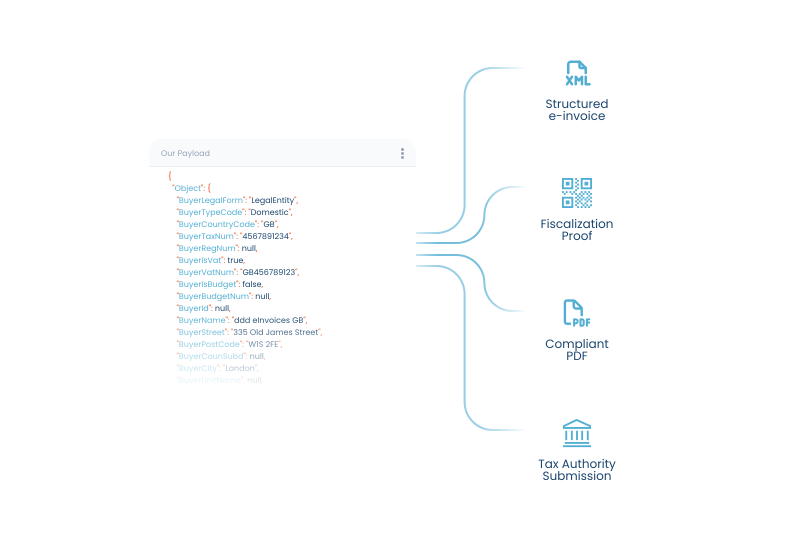
One structure for every invoice direction, document type, and local requirement.
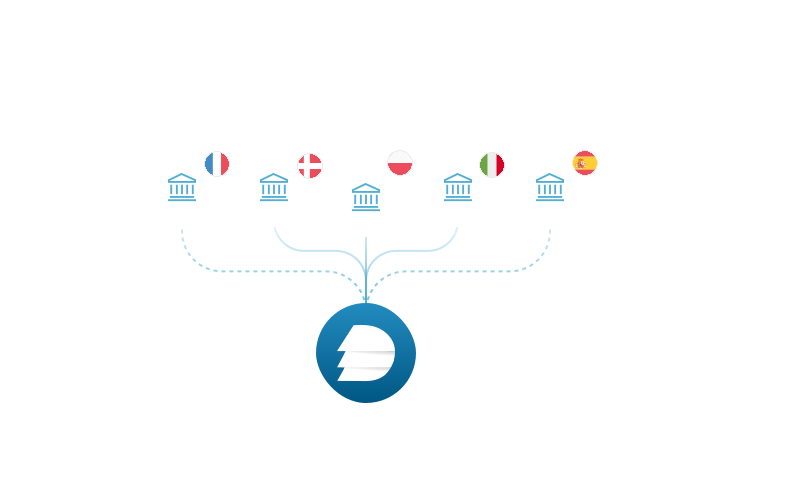
With DDD, adding a new country does not mean rebuilding invoicing compliance from scratch. You simply onboard a new legal entity / client, and start using the service.
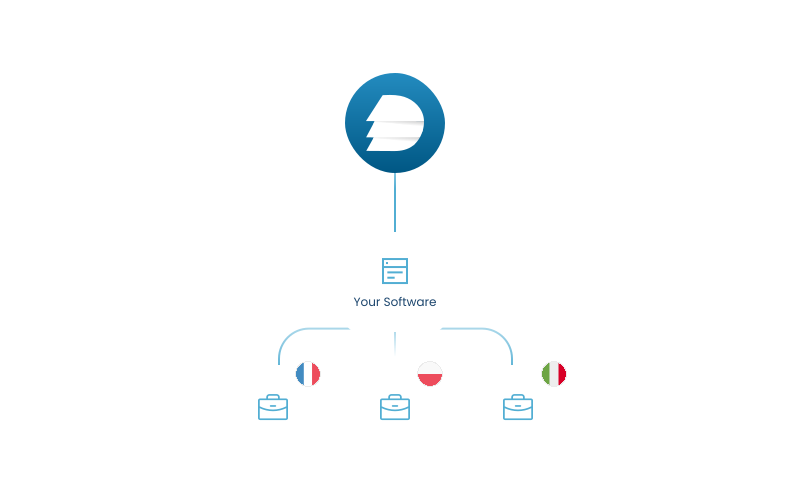
Software providers can reuse the same API model across multiple customer environments. Each end-client gets a separate authentication code, company setup, and country configuration, while your product keeps one integration pattern.
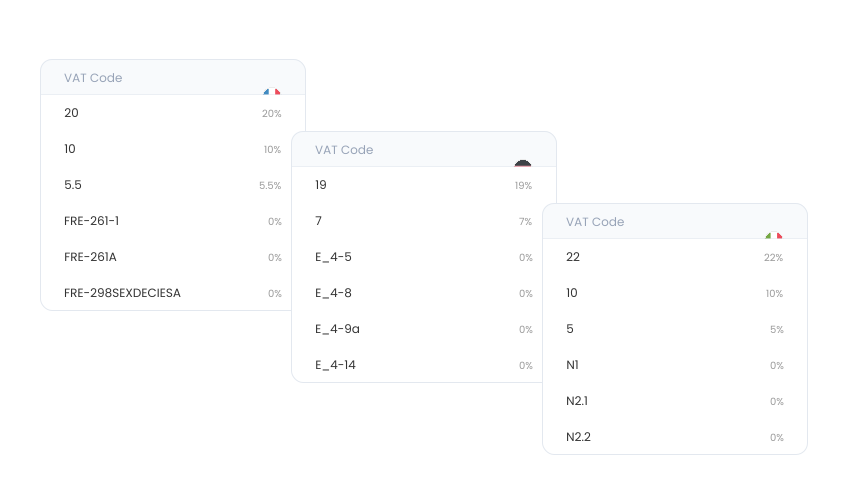
DDD helps handle local invoicing requirements behind the API layer, including VAT rates, tax codes, exemption logic, and local compliance rules where supported.
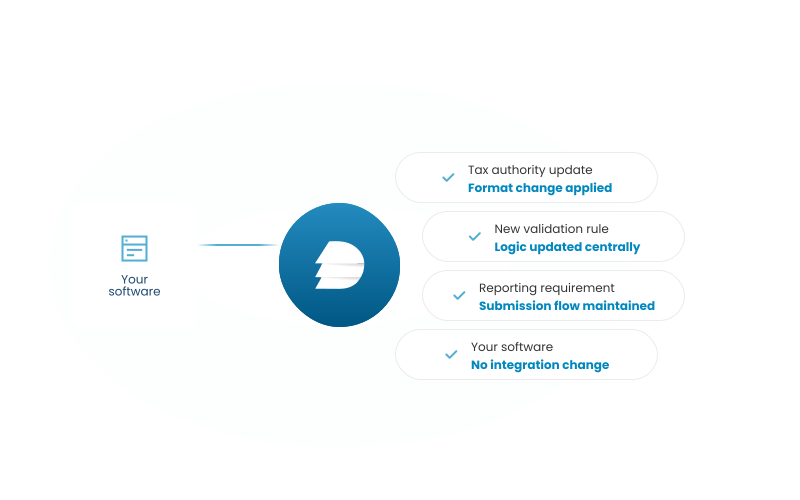
DDD keeps your invoicing flow aligned with changing tax authority requirements, so your team does not need to rebuild country-specific logic every time formats, validations, or reporting rules change.
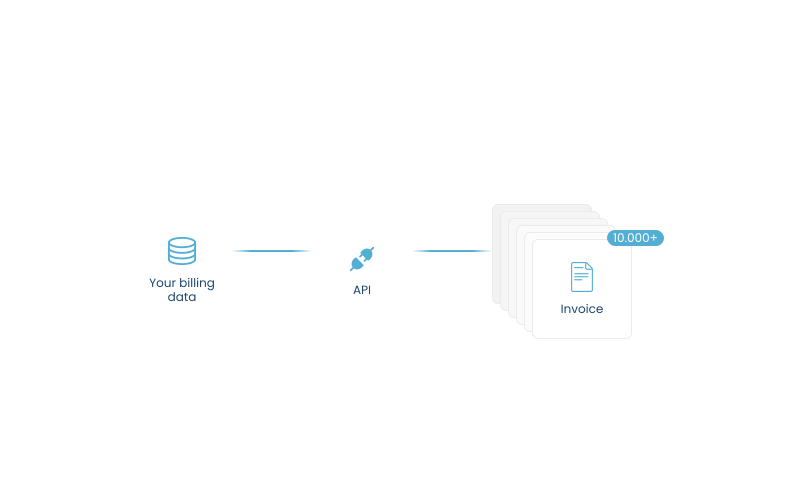
DDD helps you process larger volumes of invoices with a mass API, that handles thousands of invoice objects in one "object of objects".
Use one API structure across invoice flows, countries, and customer setups, while DDD handles local formats, tax logic, fiscalization, and reporting requirements in the background.
Discuss your API use caseUSE CASE

“The APIs are shared, clean and flexible. It was very easy and clear for us.”
FAQ